Are Baby's More Susceptible to Infections? Are New Baby's More Susceptible to Infections?
Overview of Infections in Newborns
Brenda Fifty. Tesini
Fetuses and newborns can acquire an infection in the following ways:
-
In the womb
-
During birth
-
Subsequently birth
Infection acquired in the womb (in utero infection)
An infection in the fetus, which can occur any fourth dimension before birth, results from an infection in the mother. Sometimes doctors and the mother know she has an infection, just sometimes they exercise not. The mother's infection is passed to the fetus through the placenta.
Common infections that are passed on via the placenta include rubella Rubella in Newborns Rubella is a typically mild childhood viral infection that may, all the same, accept devastating consequences for infants infected before birth. Rubella is caused by a virus. The fetus or newborn may... read more , toxoplasmosis Toxoplasmosis in Newborns Toxoplasmosis is infection with the parasite Toxoplasma gondii. Information technology unremarkably does not cause problems in healthy adults, but it can cause serious illness in newborns and in people with a... read more than , cytomegalovirus Cytomegalovirus (CMV) Infection in Newborns Cytomegalovirus is a mutual virus that usually causes few or no issues only can cause serious illness in infants who are infected before nativity or around the time of birth. Cytomegalovirus infection... read more , Zika virus infection Zika Virus Infection Zika virus infection is a mosquito-borne viral infection that typically causes no symptoms but can cause fever, rash, joint pain, or infection of the membrane that covers the white of the centre... read more  , and syphilis Syphilis in Newborns Syphilis is an infection caused by the leaner Treponema pallidum. It causes serious problems in infants infected before birth. Syphilis is caused by bacteria. Serious complications... read more
 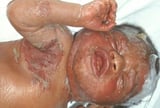 . Human immunodeficiency virus (HIV) infection Human Immunodeficiency Virus (HIV) Infection in Children Human immunodeficiency virus (HIV) infection is a viral infection that progressively destroys sure white blood cells and causes caused immunodeficiency syndrome (AIDS). Homo immunodeficiency... read more than and hepatitis B virus infection Hepatitis B Virus (HBV) Infection in Newborns Hepatitis B virus infection causes inflammation of the liver. Newborns may get infected at birth or rarely after birth. Newborns who develop symptoms accept jaundice, lethargy, and failure... read more may also sometimes exist passed on via the placenta. At that place are besides many rarer infections that tin infect the fetus before nascency.
Problems for the fetus depend on which organism is causing the infection and when the mother'due south infection occurred during the pregnancy. Problems include miscarriage Miscarriage A miscarriage is the loss of a fetus due to natural causes before 20 weeks of pregnancy. Miscarriages may occur because of a problem in the fetus (such as a genetic disorder or birth defect)... read more , slow growth in the uterus, premature nativity Premature Newborn A premature newborn is a infant delivered before 37 weeks of gestation. Depending on when they are born, premature newborns accept underdeveloped organs, which may non exist ready to office outside... read more , stillbirth Stillbirth Stillbirth is death of a fetus after 20 weeks of pregnancy. Pregnancy complications are problems that occur only during pregnancy. They may touch the woman, the fetus, or both and may occur... read more than , and nativity defects Overview of Nativity Defects Birth defects, also chosen congenital anomalies, are physical abnormalities that occur earlier a baby is born. They are usually obvious within the first yr of life. The cause of many nativity... read more . An infection may or may non cause symptoms in the mother.
Infection caused during birth (intrapartum infection)
An infection tin be acquired during birth if the infant passes through an infected birth canal or if an infection moves up from the vagina if commitment is delayed after the membranes have ruptured.
Infections that can occur during nascency include HIV infection Human Immunodeficiency Virus (HIV) Infection in Children Human immunodeficiency virus (HIV) infection is a viral infection that progressively destroys certain white claret cells and causes acquired immunodeficiency syndrome (AIDS). Homo immunodeficiency... read more , herpes simplex virus infections Herpes Simplex Virus (HSV) Infections Herpes simplex virus infection causes recurring episodes of small, painful, fluid-filled blisters on the skin, oral cavity, lips (cold sores), eyes, or genitals. This very contagious viral infection... read more 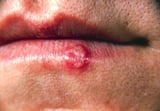 , hepatitis B virus infection Overview of Hepatitis Hepatitis is inflammation of the liver. (See also Overview of Astute Viral Hepatitis and Overview of Chronic Hepatitis.) Hepatitis is common throughout the world. Hepatitis can be Astute (short-lived) read more , streptococcal infections Streptococcal Infections Streptococcal infections are caused by any one of several species of Streptococcus. These gram-positive, sphere-shaped (coccal) leaner (run into effigy How Bacteria Shape Upward) cause many... read more , E. coli infections Escherichia coli Infections Escherichia coli (E. coli) are a group of gram-negative bacteria that ordinarily reside in the intestine of healthy people, but some strains tin cause infection in the digestive... read more , listeriosis Listeriosis Listeriosis is infection caused by the gram-positive leaner Listeria monocytogenes, ordinarily when contaminated food is eaten. People may consume the bacteria in contaminated dairy products... read more , gonococcal infections Gonorrhea Gonorrhea is a sexually transmitted affliction caused by the bacteria Neisseria gonorrhoeae, which infect the lining of the urethra, cervix, rectum, and throat or the membranes that embrace... read more
 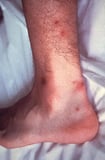 , and chlamydia Chlamydial and Other Nongonococcal Infections Chlamydial infections include sexually transmitted diseases of the urethra, cervix, and rectum that are acquired by the bacteria Chlamydia trachomatis. These bacteria tin can as well infect the... read more than
  . Sometimes these infections can also be passed on through the placenta.
Infection acquired after birth (postpartum infection)
Types of infections in newborns
Infections in newborns are normally caused by bacteria or viruses and less commonly by fungi or parasites. Bacteria include group B streptococci Types of streptococci Streptococcal infections are caused past any i of several species of Streptococcus. These gram-positive, sphere-shaped (coccal) leaner (meet figure How Leaner Shape Up) crusade many... read more , Escherichia coli Escherichia coli Infections Escherichia coli (Eastward. coli) are a group of gram-negative bacteria that normally reside in the intestine of healthy people, only some strains can cause infection in the digestive... read more (East. coli), Listeria monocytogenes Listeriosis Listeriosis is infection acquired past the gram-positive bacteria Listeria monocytogenes, usually when contaminated food is eaten. People may consume the bacteria in contaminated dairy products... read more than , gonococci Gonorrhea Gonorrhea is a sexually transmitted disease caused by the leaner Neisseria gonorrhoeae, which infect the lining of the urethra, cervix, rectum, and throat or the membranes that cover... read more , and chlamydiae Chlamydial and Other Nongonococcal Infections Chlamydial infections include sexually transmitted diseases of the urethra, cervix, and rectum that are caused by the bacteria Chlamydia trachomatis. These bacteria tin can also infect the... read more . Viruses include herpes simplex viruses Herpes Simplex Virus (HSV) Infections Herpes simplex virus infection causes recurring episodes of pocket-size, painful, fluid-filled blisters on the skin, rima oris, lips (cold sores), eyes, or genitals. This very contagious viral infection... read more (HSV), human immunodeficiency virus Human Immunodeficiency Virus (HIV) Infection in Children Human being immunodeficiency virus (HIV) infection is a viral infection that progressively destroys certain white claret cells and causes caused immunodeficiency syndrome (AIDS). Human immunodeficiency... read more (HIV), cytomegalovirus Cytomegalovirus (CMV) Infection Cytomegalovirus infection is a common herpesvirus infection with a broad range of symptoms: from no symptoms to fever and fatigue (resembling infectious mononucleosis) to severe symptoms involving... read more than (CMV), and hepatitis B virus Hepatitis B, Acute Acute hepatitis B is inflammation of the liver that is caused by the hepatitis B virus and that lasts from a few weeks up to six months. Hepatitis B is spread through contact with blood or other... read more (HBV).
Some infections that tin can bear on people of all ages cause detail problems when they occur in a fetus or newborn. Some of the more serious infections in newborns include the following:
Diagnosis of Infections in Newborns
-
A doctor's examination
-
Various tests
Doctors suspect an infection based on the newborn's symptoms or abnormalities (such as nascency defects) and on the results of a physical test.
Doctors besides do claret tests and test samples of the newborn'due south blood, spinal fluid, urine, saliva, or tissues to determine which organism is causing the infection. The mother may likewise exist tested.
Treatment of Infections in Newborns
-
Antibiotics or antiviral drugs
These infections are treated based on which organism is causing the infection.
CLICK HERE FOR THE PROFESSIONAL VERSION

© 2022 Merck Precipitous & Dohme Corp., a subsidiary of Merck & Co., Inc., Kenilworth, NJ, USA
Source: https://www.msdmanuals.com/home/children-s-health-issues/infections-in-newborns/overview-of-infections-in-newborns
0 Response to "Are Baby's More Susceptible to Infections? Are New Baby's More Susceptible to Infections?"
Publicar un comentario